It is important to note that both paramedics and doctors play crucial roles in emergency healthcare. While they both have the common goal of providing medical care to patients in need, there are key differences in their roles, responsibilities, and training.
One major distinction between paramedics and doctors lies in their educational qualifications. Doctors must complete a medical degree approved by the General Medical Council (GMC), which typically takes five to six years to finish. In addition, doctors must undergo a two-year general training foundation program before specializing in a specific area of medicine. This rigorous training equips doctors with the knowledge and skills needed to diagnose, manage, and treat a wide range of diseases and injuries.
On the other hand, paramedics follow a different educational pathway to become qualified professionals. While an accepted scientific qualification is the initial step to becoming a paramedic, there are three different pathways to training depending on previous credentials and experience. This can include obtaining a Bachelor of Science in paramedic science, participating in a degree apprenticeship with an ambulance trust, or pursuing a Master's degree in paramedicine as an allied health professional. Training to become a paramedic typically takes around four years and involves a combination of theoretical study, practical training, and placements in ambulance services or healthcare facilities.
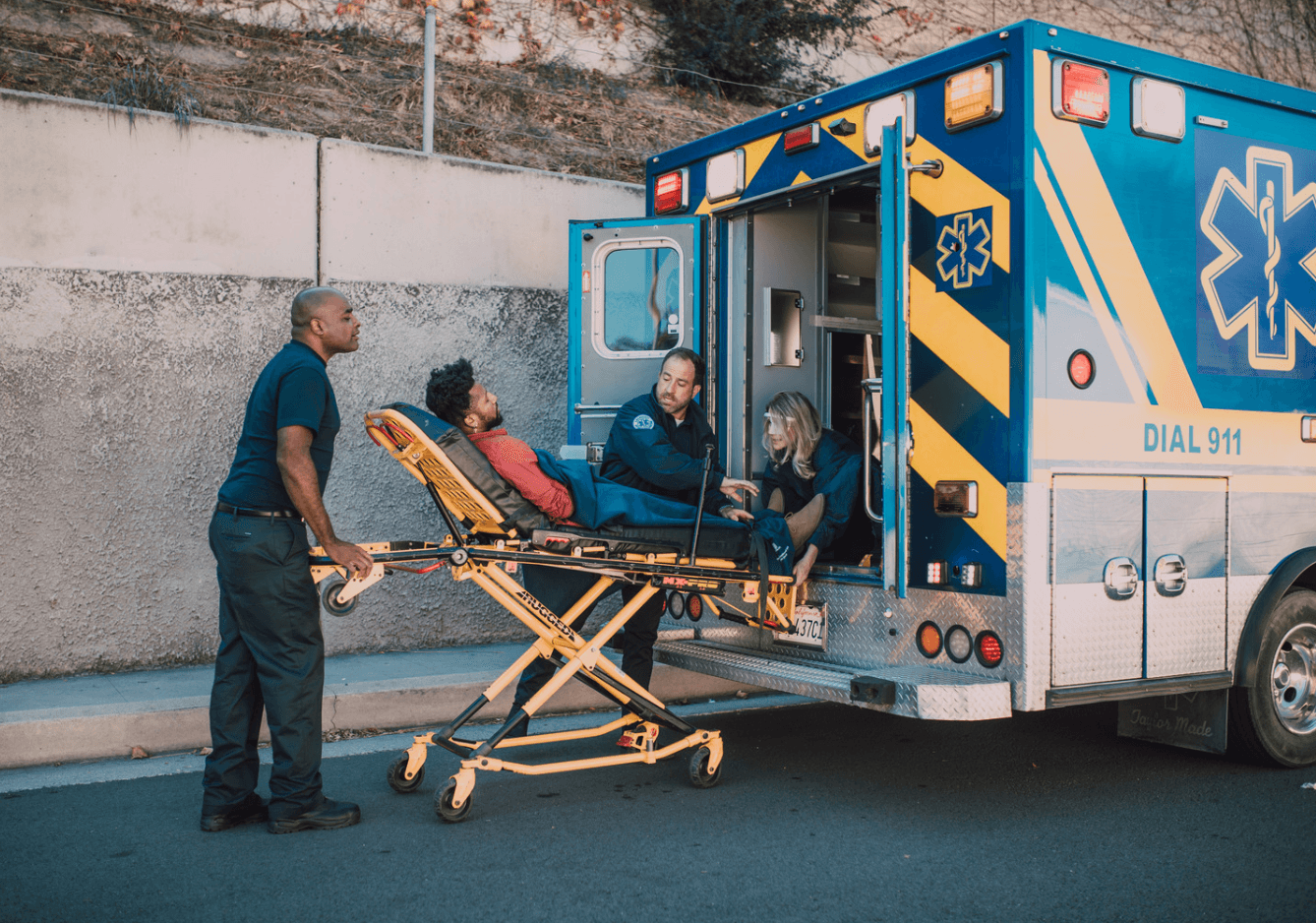
In terms of work responsibilities, paramedics are often the first responders to medical emergencies and accidents, providing immediate care to patients before they reach hospitals. They are trained to deliver basic and advanced medical treatments, such as resuscitation, haemorrhage control, CPR, and splints, in a variety of settings including homes, streets, workplaces, and ambulances. Paramedics play a critical role in stabilizing patients and ensuring they receive the necessary care before being transported to a medical facility for further treatment.
On the other hand, doctors work in a variety of healthcare settings including clinics, hospitals, GP surgeries, and private practices. They are responsible for diagnosing, managing, and treating diseases and injuries, as well as ordering tests, scans, X-rays, and medications for their patients. Doctors also have the authority to refer patients to other healthcare professionals, such as physiotherapists, nurses, and specialists, for further evaluation and treatment. In emergency departments, doctors evaluate and treat patients who arrive with illnesses, accidents, or medical emergencies, making quick decisions to provide the best possible care under pressure.
Despite these differences, both paramedics and doctors share the common goal of providing high-quality medical care to those in need. They must possess strong communication skills, critical thinking abilities, and the ability to make quick decisions in high-stress situations. By understanding the distinctions between these two professions, individuals interested in emergency healthcare can make informed decisions about which career path is best suited to their skills and interests. Whether you choose to become a paramedic or a doctor, both roles offer rewarding and challenging opportunities to make a difference in the lives of others.