Steps to Becoming a Wine Buyer
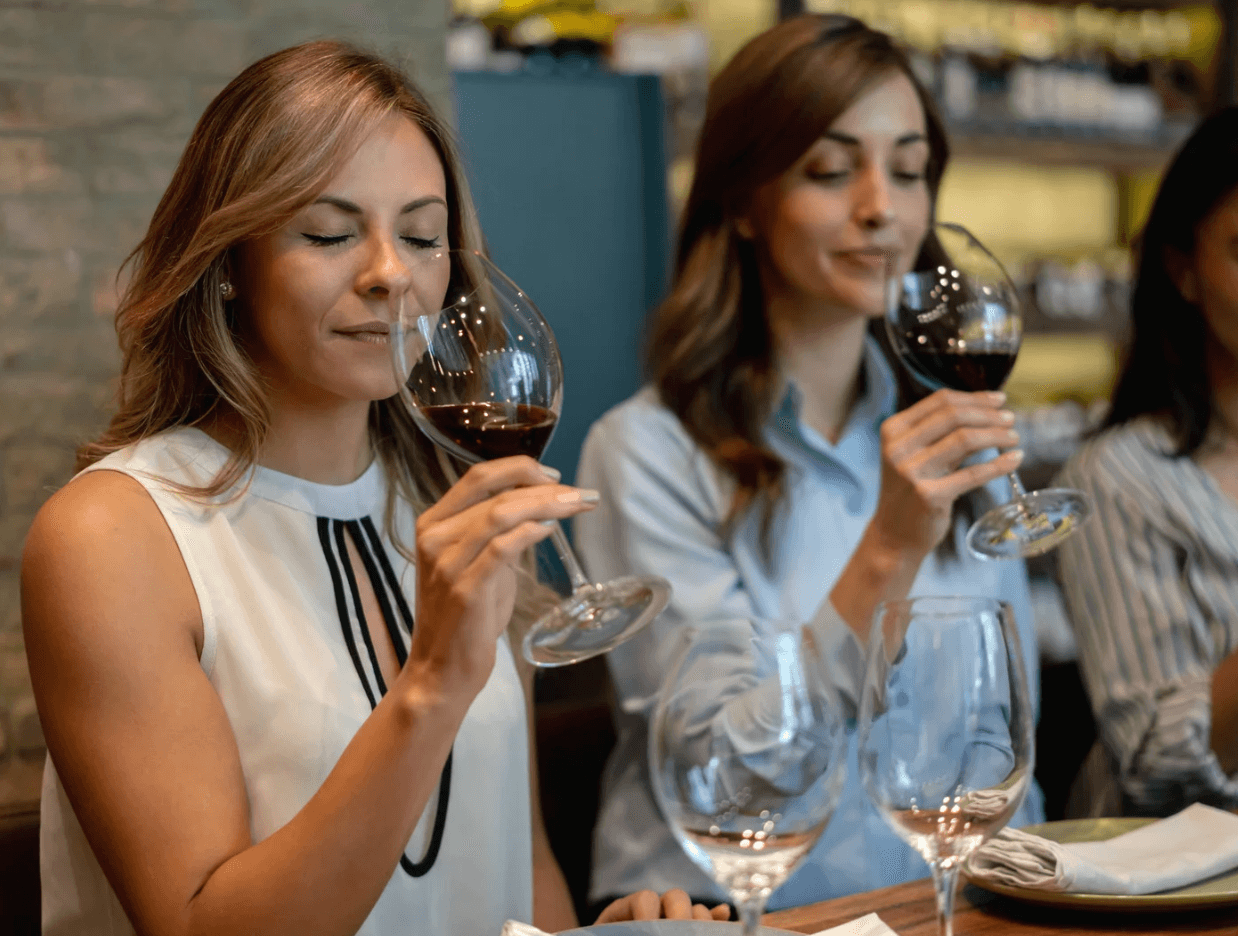
Embarking on a career as a wine buyer can be a fulfilling endeavor. Understanding the various paths to becoming a wine buyer can help you navigate your way to success in the industry. Wine buyers are knowledgeable experts in the field of wine, with a keen understanding of restaurant, supplier, and event purchasing. This guide will outline what a wine buyer does, the skills they require, and the steps you can take to become one yourself.
What Does a Wine Buyer Do?
A wine buyer is responsible for sourcing and acquiring wines from both local and international markets. They negotiate prices with distributors based on market trends, consumer demand, and their own product knowledge. Wine buyers are often connoisseurs, with refined taste abilities and a meticulous attention to detail. They must adhere to import regulations, manage inventory levels, and ensure quality control standards are met consistently.
In larger companies, wine buyers may work in teams, specializing in areas such as foreign wines. Depending on their role, buyers may also oversee warehousing, pricing, and tracking of wine purchases. Junior buyers often have the opportunity to shadow industry experts to further their knowledge and skills. In addition to sourcing wines, buyers may also be involved in planning, coordinating, and promoting wine-related events. They may engage in activities such as in-house education programs and forming partnerships within the industry.
Skills Required for Wine Buyers
To excel as a wine buyer, you will need a diverse set of skills, including:
Negotiation Skills: Wine buyers often source their products directly from wholesalers, making strong negotiation skills crucial. By leveraging industry expertise, market demand, and a thorough understanding of wine quality and value, buyers can secure the best prices for the wines they are seeking. Effective negotiation skills enable buyers to communicate their expectations and budget constraints to distributors with confidence.
Technical Wine Knowledge: A deep understanding of the technical aspects of wine is essential for buyers. Knowledge of wine history, production regions, and the factors that contribute to the quality of a bottle can inform their purchasing decisions. Buyers often taste wines before making a purchase, so having a discerning palate is beneficial. Formal training can help buyers develop their tasting skills and identify key flavor profiles.
Market Knowledge: In addition to taste preferences, buyers must also stay informed about market trends and dynamics. By analyzing market forces, they can identify high-demand wines and anticipate consumer preferences. Market trends may be influenced by factors such as seasonal fluctuations, geographic popularity, or vintage years.
Organizational Skills: Managing inventory, logistics, and quality control requires strong organizational abilities. Buyers must also coordinate trade shows, industry events, and product launches. A well-organized approach enables buyers to maintain adequate stock levels, anticipate changes in demand, and manage expenses effectively.
Interpersonal Skills: Wine buyers interact with a variety of stakeholders, including clients, suppliers, industry professionals, and event organizers. Strong interpersonal skills are essential for building relationships within the industry and establishing a positive reputation in the wine community. A shared passion for wine and ongoing learning can help buyers foster partnerships and collaborations.
Becoming a Wine Buyer: Steps to Success
There are several pathways to becoming a wine buyer, but the following steps can help you progress in your career:
1. Learn About Wine: Attend tasting events, visit vineyards, and subscribe to industry publications to expand your knowledge of the wine business. Developing your tasting abilities and understanding essential wine characteristics can make you a more discerning consumer. Familiarize yourself with wine basics such as food pairings, terroir, and climatic influences to prepare for a career in wine buying.
2. Gain Industry Experience: Start at entry-level positions within the wine industry to build your skills and expertise. Working on a retail floor, assisting customers with purchases, and building connections with industry professionals can provide valuable insights into the business. Diversifying your experience by working in different sectors can enhance your resume and develop your career-related competencies. Pursuing sommelier certification can also enhance your tasting skills and deepen your understanding of industry trends and consumer preferences.
3. Fill CV Gaps with Relevant Experience: When crafting your resume, highlight experiences that showcase your wine buying abilities. Demonstrating an understanding of market trends and strategic planning can make you an attractive candidate for wine buyer positions. Employers are more likely to hire buyers who can anticipate market demands and develop effective purchasing strategies.
4. Start as a Junior Buyer: Some larger companies offer junior buyer positions, allowing you to learn from experienced professionals in the industry. Working closely with seasoned buyers can provide valuable insights into the trade and help you progress in your career. Junior buying experience can be leveraged to advance within a smaller organization or within a larger company where you can climb the ranks as you enhance your industry knowledge.
5. Complete WSET Courses: While not mandatory, obtaining a Wine and Spirit Education Trust (WSET) certification can enhance your knowledge, credibility, and networking opportunities within the industry. WSET courses cover a range of topics related to wine appreciation, including appearance, aroma, and taste profiles. These courses are offered in various formats, including online, evening classes, weekend workshops, and intensive sessions.
There are four levels of WSET courses available:
- Level 1 Award: This course introduces students to essential wine styles and varieties, popular grape varietals, wine and food pairing guidelines, wine tasting techniques, proper wine storage and serving practices, and how to describe wines using a systematic approach.
- Level 2 Award: Building on the foundational knowledge acquired in level 1, this course delves deeper into environmental influences, winemaking techniques, aging processes, and grape cultivation practices. Students take a test after completing 16 hours of guided learning and 11 hours of self-study to obtain their certification.
- Level 3 Award: This advanced course covers topics such as wine geography, vineyard management, winemaking processes, fermentation techniques, and bottling practices. It includes guided tastings of 82 different wines to expand students' understanding of varietals and enable them to make informed recommendations.
- Level 4 Diploma: The highest level of WSET certification, the diploma course is designed for individuals seeking to demonstrate mastery of wine production, business operations, and regional influences. Students are evaluated on their ability to apply their knowledge in real-world scenarios and demonstrate expertise across various aspects of the wine industry.
6. Pass the Master of Wine Theoretical Exam: While not a prerequisite for becoming a wine buyer, achieving success in the Master of Wine (MW) theoretical exam can be a significant milestone in your wine career. The rigorous three-stage exam, administered by the Institute of Masters of Wine (IMW) in London, assesses candidates' practical, business, and academic knowledge of wine.
Earning the Master of Wine title signifies a high level of expertise and proficiency in the wine industry. While it may not be essential for all wine buyers, holding the MW qualification can enhance your credibility, reputation, and advancement opportunities in the field.
In conclusion, becoming a wine buyer requires a combination of skills, experience, and industry knowledge. By following the steps outlined in this guide, you can embark on a rewarding career in the wine industry and position yourself for success as a professional wine buyer. Whether you are just starting out or looking to advance your career, these strategies can help you achieve your goals and excel in this dynamic and exciting field.