Sustainability is a key factor that customers place a high value on in today's global market. The demand for sustainable and ecologically friendly products is on the rise, attracting more attention from buyers around the world. According to recent data, more than 70% more people are searching for "sustainable products" on Google now compared to 2016. This demonstrates a growing awareness and interest in sustainability among consumers.
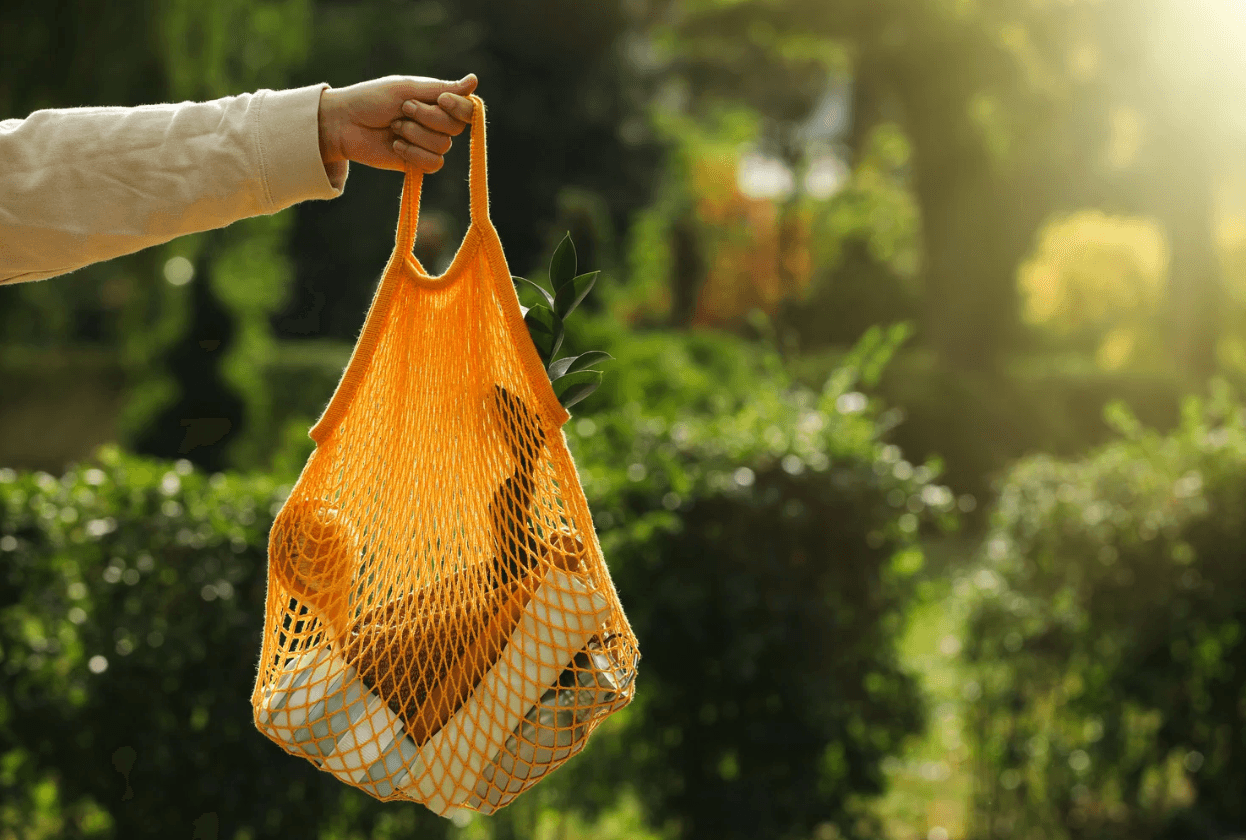
A poll conducted by Simon-Kucher & Partners revealed that 85% of the world's customers have made purchases with a focus on sustainability in just the past five years. This indicates a significant shift towards more environmentally conscious buying habits. Looking ahead, almost 80% of buyers say they would prioritize eco-friendly items in the next five years. Consumers are increasingly recognizing the importance of sustainability and are willing to invest in products that align with their values.
One of the key drivers behind the demand for sustainable products is the positive impact they can have on the environment. Sustainable and eco-friendly products can command a premium price from consumers, with sustainable items reportedly having a two-thirds price point increase. Millennials (22%) and members of Generation Z (25%) are the most likely to spend an additional 20% or more on sustainable products, highlighting the importance of sustainability to younger generations.
The growth of the ethical and sustainable goods industry is evident in countries like the UK, where the market has grown fourfold over the past two decades, reaching a staggering $43 billion. This growth reflects the increasing consumer preference for sustainable products and the potential for businesses to capitalize on this trend. Companies that prioritize sustainability in their products and operations are well-positioned to attract and retain environmentally conscious customers.
In addition to the products themselves, packaging also plays a significant role in consumers' purchasing decisions. According to McKinsey, 55% of American customers are highly or somewhat concerned about the environmental impact of product packaging. Plastic is overwhelmingly viewed as the worst packaging material, with 77% of buyers ranking it as the least environmentally friendly option. On the other hand, paper and cardboard are preferred ecological packaging choices for customers, as they are seen as more sustainable and environmentally friendly alternatives.
Retailers are taking note of this growing trend towards sustainability and are adapting their practices to meet consumer demands. Companies like Allbirds, a clothing company known for its commitment to environmental responsibility, are leading the way in sustainable practices. Allbirds crafts its footwear from all-natural materials such as eucalyptus, wool, and sugarcane, minimizing their environmental impact. In 2019, Allbirds achieved carbon neutrality, demonstrating their dedication to reducing their carbon footprint. In 2020, they began including a carbon footprint on the label of every product sold, providing transparency to consumers about the environmental impact of their purchases.
Overall, the rise in consumer demand for sustainable products highlights the growing importance of sustainability in today's market. Consumers are increasingly prioritizing eco-friendly options and are willing to pay a premium for products that align with their values. As businesses adapt to meet this demand, there is a significant opportunity for growth in the sustainable goods industry. By investing in sustainable practices and products, companies can attract environmentally conscious customers and contribute to a more sustainable future for all.